
.svg)
Smart Home Supply Chain Challenges: Why Consolidating Overseas Procurement Matters More Than Ever
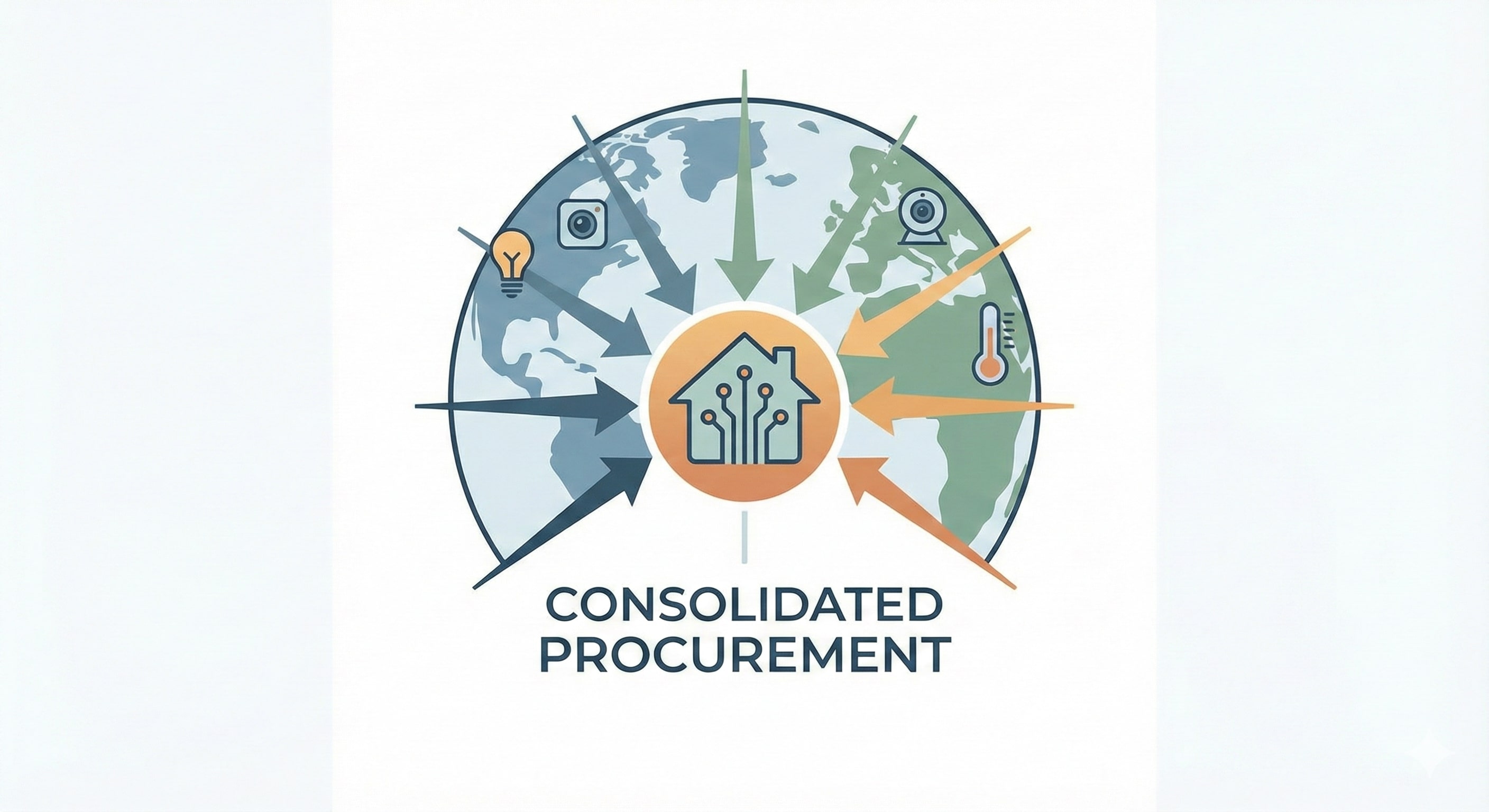
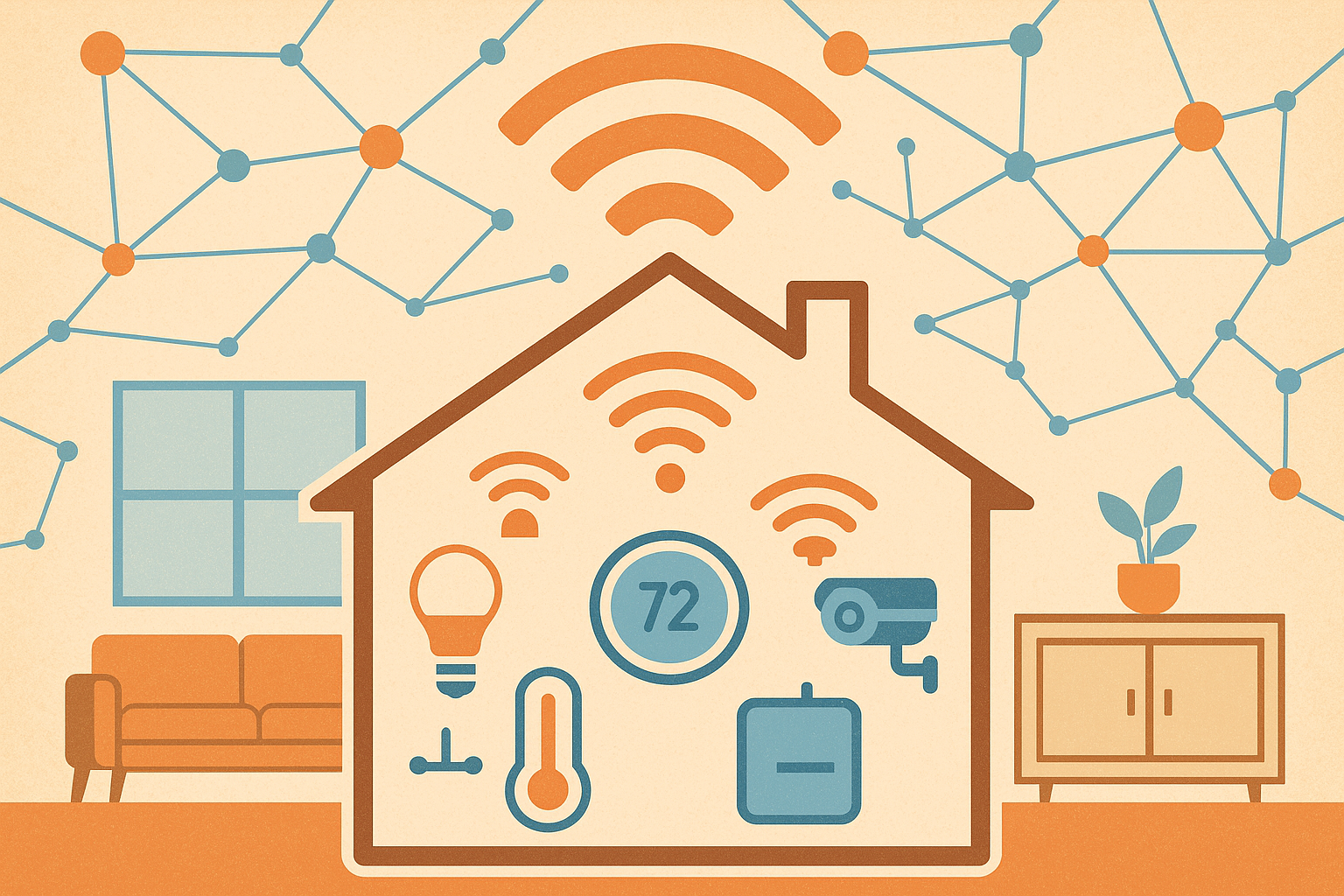
The smart home industry continues to grow at a rapid pace, fueled by consumer demand for connected lighting, security, climate control, and entertainment systems. But behind the sleek apps and seamless automation lies a complex global supply chain that is increasingly under pressure. From geopolitical uncertainty to component shortages and rising logistics costs, smart home companies face challenges that directly impact margins, speed to market, and product quality.
One of the most critical—and often underestimated—areas of risk is overseas procurement. As smart home product portfolios expand, many companies find themselves managing dozens of suppliers across multiple countries, creating fragmentation that amplifies supply chain vulnerability. Consolidating overseas procurement is emerging as a strategic lever to improve resilience, reduce cost, and regain control.
Fragmentation in a Global Supply Base
Smart home devices are inherently complex. A single product may include semiconductors, sensors, plastics, PCBs, power components, and firmware, often sourced from different regions. Over time, many organizations add suppliers tactically choosing the fastest or cheapest option for each new product launch.
This fragmented approach leads to several problems:
• Limited visibility into supplier performance and risk
• Inconsistent quality standards across vendors
• Higher administrative and compliance costs
• Reduced negotiating leverage on pricing and terms
When disruptions occur—such as factory shutdowns, trade restrictions, or shipping delays, the lack of a coordinated procurement strategy can bring product launches to a halt.
Volatility in Overseas Markets
Overseas procurement exposes smart home companies to macroeconomic and geopolitical risks. Currency fluctuations, shifting tariffs, export controls, and regional labor constraints can all impact cost and availability. In recent years, semiconductor shortages and logistics bottlenecks highlighted how dependent the industry is on a relatively small number of regions.
Without consolidated procurement, companies often lack the scale or strategic alignment needed to proactively manage these risks. Instead, they react to crises after they’ve already affected customers and revenue.
The Case for Consolidating Overseas Procurement
Consolidation does not mean relying on a single supplier or country. Rather, it means centralizing procurement strategy, supplier management, and negotiation across regions. This approach has several advantages:
Improved Cost Control
By aggregating volumes across product lines and regions, companies can negotiate better pricing, payment terms, and capacity commitments. Consolidation also reduces redundant freight, customs, and brokerage costs.
Stronger Supplier Relationships
Fewer, more strategic supplier partnerships enable better collaboration on forecasting, quality improvement, and product innovation. Suppliers are more willing to prioritize customers that represent meaningful, predictable demand.
Enhanced Risk Management
Centralized procurement teams can assess geopolitical exposure, supplier financial health, and capacity constraints holistically. This enables smarter dual-sourcing strategies and faster response when disruptions occur.
Consistent Quality and Compliance
Consolidation allows for standardized quality requirements, testing protocols, and regulatory compliance across suppliers. This is especially important in smart home products, where safety, cybersecurity, and reliability are critical to brand trust.
Technology and Data as Enablers
Modern supply chain platforms, like Elevate Nexus, make procurement consolidation more achievable than ever. Real-time data on supplier performance, inventory levels, and lead times allows organizations to move from reactive purchasing to proactive planning. For smart home companies managing fast product cycles, this visibility is essential.
Additionally, closer integration between procurement, engineering, and product teams ensures component choices align with long-term supply strategy—not just short-term availability.
Looking Ahead
As the smart home market matures, supply chain excellence will become a key competitive differentiator. Companies that continue to manage overseas procurement in silos will struggle with higher costs, slower innovation, and greater disruption risk.
Consolidating overseas procurement is not merely an operational improvement, it is a strategic shift. An excellent example of this forward-thinking global procurement strategy can be seen with smart home tech disruptor Elevate Nexus. At Nexus, they’ve started from the ground up with a consolidated smart home tech global procurement vision, creating cost controls, strong supplier relationships, enhanced risk management and consistent quality and compliance right out of the gate.
It's essential that smart home companies build supply chains that are not only more efficient, but also more resilient in an increasingly uncertain global environment.
.svg)
.svg)
.svg)
Related Blogs
.svg)



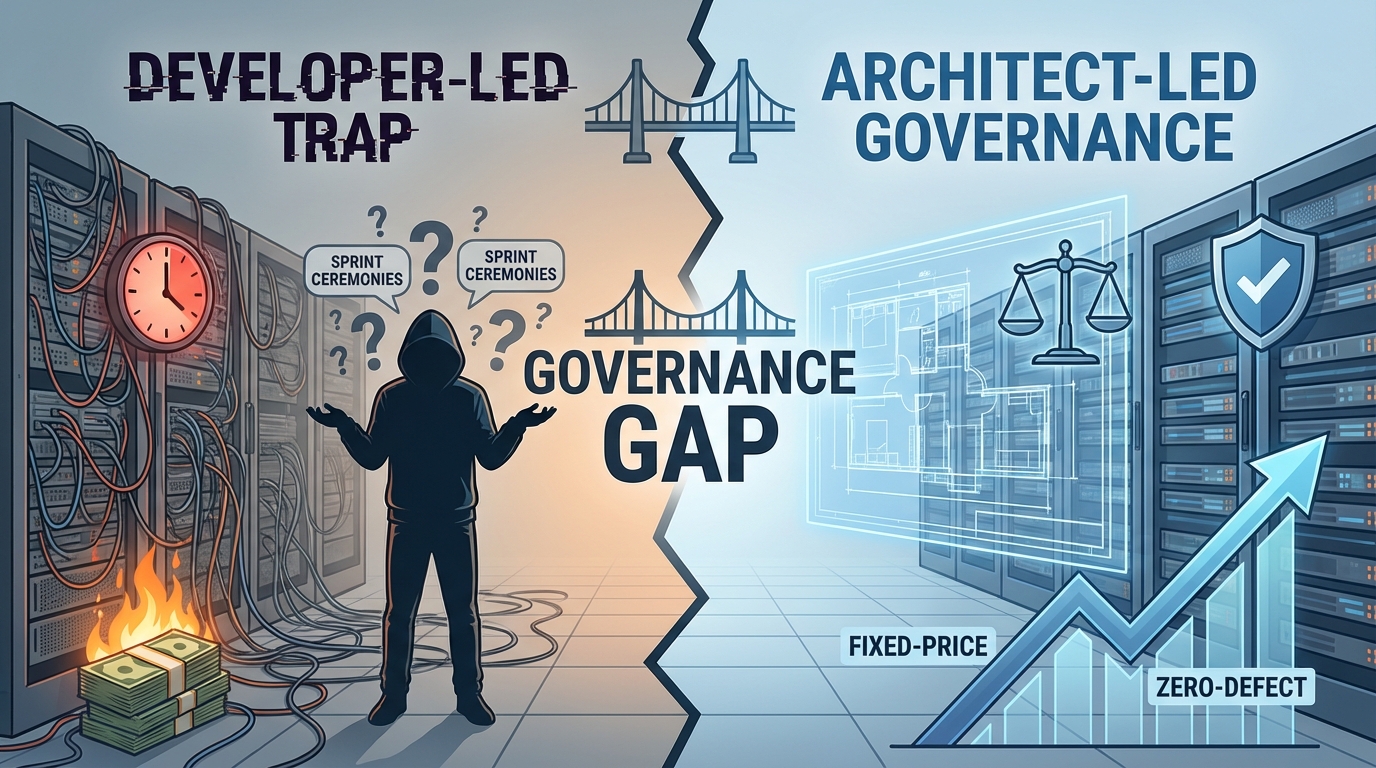

Unlike traditional consultancies, our model is architect-led, fixed-price, and outcome-driven.


Technology That Moves You Forward.
Partner with expert engineers who deliver measurable outcomes.
.svg)
.svg)